

When it comes to kids' tents, the materials used play a crucial role in determining their quality, durability, safety, and functionality. As a kids' tent supplier, I've gained extensive knowledge about the various materials that go into making these delightful shelters for children. In this blog post, I'll delve into the common materials used in kids' tents, their characteristics, and how they contribute to the overall experience of using a kids' tent.
Canvas
Canvas is a classic material that has been used for tents for centuries. It is known for its durability, breathability, and natural aesthetic. Canvas kids' tents are often made from cotton or a cotton blend. Cotton canvas is soft and comfortable, making it a great choice for indoor use. It also has good breathability, which helps to prevent condensation from building up inside the tent.
One of the main advantages of canvas is its strength. It can withstand wear and tear from active kids, making it a long - lasting option. Canvas is also relatively easy to repair if it gets damaged. However, cotton canvas is not waterproof by nature. It can absorb water, which may cause it to become heavy and take a long time to dry. To make a canvas kids' tent waterproof, it can be treated with a waterproofing agent.
When considering a canvas kids' tent, you can check out our Waterproof Kids Tent which has been specially treated to resist water while maintaining the charm of canvas.
Polyester
Polyester is a synthetic material that has become extremely popular in the manufacturing of kids' tents. One of the key benefits of polyester is its water resistance. Polyester kids' tents can keep children dry even in light rain. They dry quickly, which makes them suitable for both indoor and outdoor use.
In addition to its water - resistant properties, polyester is also lightweight. This makes polyester kids' tents easy to carry and transport, whether you're taking them to a park or setting them up in your backyard. Polyester is also relatively affordable, which is an important factor for many parents.
However, polyester is not as breathable as canvas. In hot and humid conditions, children may feel stuffy inside a polyester tent. To address this issue, some polyester kids' tents are designed with ventilation panels. If you're looking for a versatile and budget - friendly option, our Indoor Outdoor Camping Toys Tent made of high - quality polyester is a great choice.
Nylon
Nylon is another synthetic material commonly used in kids' tents. Nylon is known for its high strength - to - weight ratio. It is very lightweight but can still withstand a fair amount of stress. This makes nylon kids' tents easy to set up and take down, even for children.
Nylon is also highly water - resistant. It can repel water effectively, keeping the inside of the tent dry. Like polyester, nylon dries quickly. Nylon tents are often more responsive to changes in weather conditions than other materials. They can be used in a variety of climates.

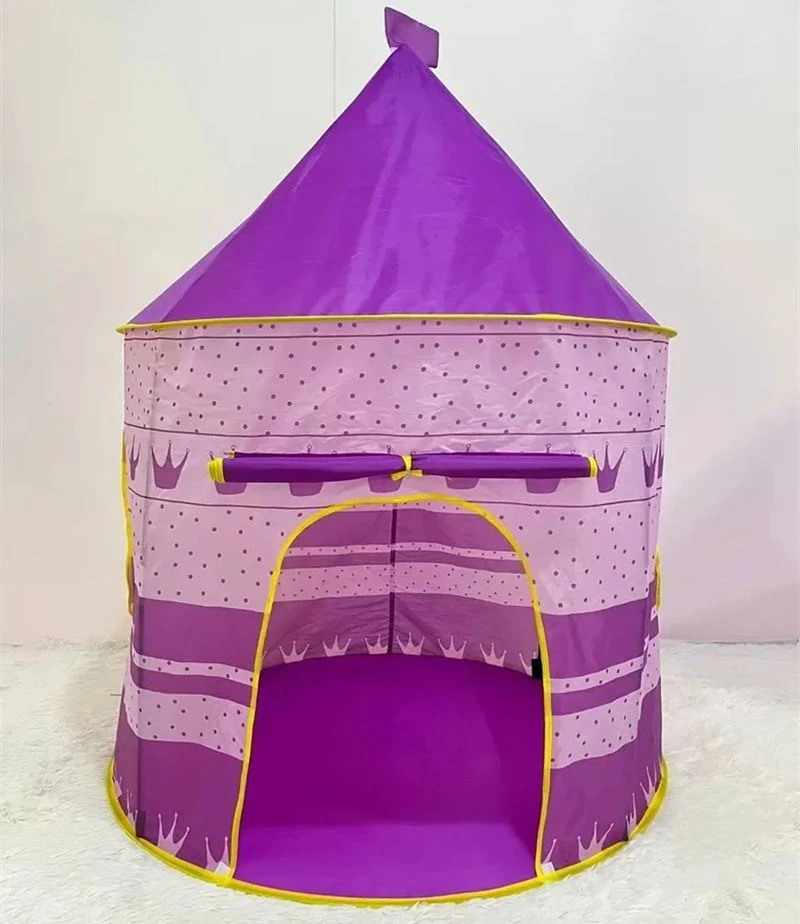
However, nylon is not as breathable as natural materials. To improve ventilation, nylon kids' tents may be designed with mesh windows or vents. Some nylon tents are also treated with a fire - retardant coating to enhance safety.
Mesh
Mesh is commonly used in combination with other materials in kids' tents. It is usually used for windows, doors, or ventilation panels. Mesh allows air to circulate freely inside the tent, reducing humidity and preventing a stuffy environment.
Mesh is lightweight and does not add significant weight to the tent. It also provides a clear view of the outside, which can be exciting for kids. Additionally, mesh can act as a barrier to keep insects out when the tent is used outdoors.
PVC (Polyvinyl Chloride)
PVC is a plastic material that is sometimes used in kids' tents, especially in areas where waterproofing and durability are crucial. PVC can be used to make waterproof floors or rainfly covers for tents.
PVC is very durable and can withstand harsh conditions. It is resistant to water, UV rays, and abrasion. However, PVC is not a very breathable material. In addition, some types of PVC may contain harmful chemicals, such as phthalates. When using a PVC - containing kids' tent, it is important to ensure that it meets safety standards.
Fiberglass and Aluminum for Tent Poles
The tent poles are an essential part of a kids' tent as they provide the structure and support. Fiberglass poles are a popular choice for kids' tents because they are lightweight and relatively inexpensive. They can bend to some extent without breaking, which is useful when the tent is being set up or taken down.
Aluminum poles, on the other hand, are stronger and more durable than fiberglass poles. They are less likely to break under stress. Aluminum poles are also lighter than fiberglass poles of the same strength. However, aluminum poles are generally more expensive.
Choosing the Right Materials for Your Needs
When choosing a kids' tent, it's important to consider the intended use of the tent. If the tent will be used mainly indoors, a canvas or polyester tent may be a good choice. Canvas tents offer a natural and comfortable feel, while polyester tents are affordable and easy to clean.
For outdoor use, especially in areas with unpredictable weather, a tent made of nylon or a waterproof polyester is recommended. These materials can keep the kids dry and are easy to maintain. If you want to ensure good ventilation, look for a tent with mesh panels.
If you're interested in our kids' tents made from high - quality materials, please don't hesitate to contact us for procurement and negotiation. We are committed to providing you with the best products and service to meet your needs.
References
- Outdoor Industry Association. (2020). Tent Materials and Technologies Report.
- Consumer Reports. (2021). Buying Guide: Kids' Tents.
- American Camping Association. (2019). Safety Guidelines for Kids' Camping Equipment.