

As a dedicated pet tent supplier, I understand the importance of ensuring that our furry friends can enter and exit their pet tents with ease. A well - designed pet tent not only provides a cozy and safe space for pets but also allows them to move freely in and out, which is crucial for their comfort and well - being. In this blog, I'll share some key considerations and tips on how to make sure your pet can enter and exit the pet tent easily.
Tent Size and Entrance Dimensions
One of the most fundamental factors is the size of the pet tent and the dimensions of its entrance. When choosing a pet tent, you need to consider the size and breed of your pet. For example, larger breeds like German Shepherds or Golden Retrievers will require a tent with a wider and taller entrance compared to smaller breeds such as Chihuahuas or Dachshunds.
Our Pet Tent with Gauze Net Style comes in various sizes. The entrance of this tent is carefully designed to be wide enough for most medium - sized pets to enter and exit without any hassle. The gauze net style also allows for good ventilation while still providing a clear view for the pet to see outside, which can encourage them to move in and out more freely.
If you have a larger pet, our Waterproof Pet Tent is an excellent choice. It has a spacious interior and a generously sized entrance. The waterproof feature is an added bonus, making it suitable for outdoor use. This tent gives your pet plenty of room to turn around and move in and out comfortably, even if they are carrying a toy or have a bit of extra bulk.
Entrance Design
The design of the entrance plays a significant role in a pet's ability to enter and exit the tent. A simple and unobstructed entrance is ideal. Some pet tents have zippers, flaps, or drawstrings at the entrance. While these can provide security and privacy, they should not be too complicated for the pet to navigate.
For instance, our Pop - up Pet Tent in Net Bag Style has a large, open - style entrance. There are no complex zippers or flaps that could confuse or deter the pet. The net bag style makes it easy for the pet to push through and enter the tent. It also allows for quick exits, which can be important if the pet feels startled or wants to explore the surroundings.
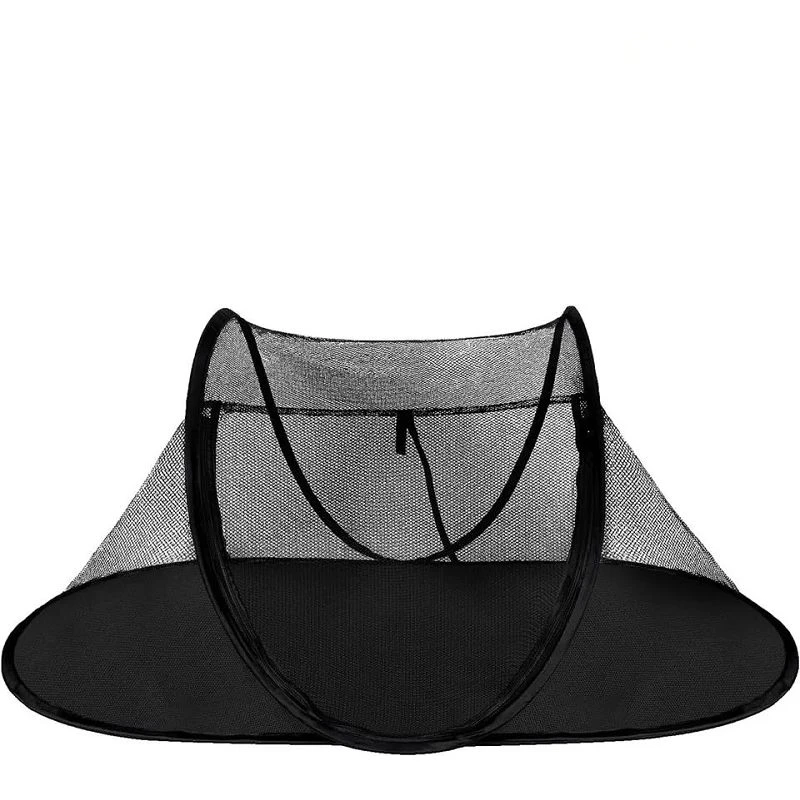
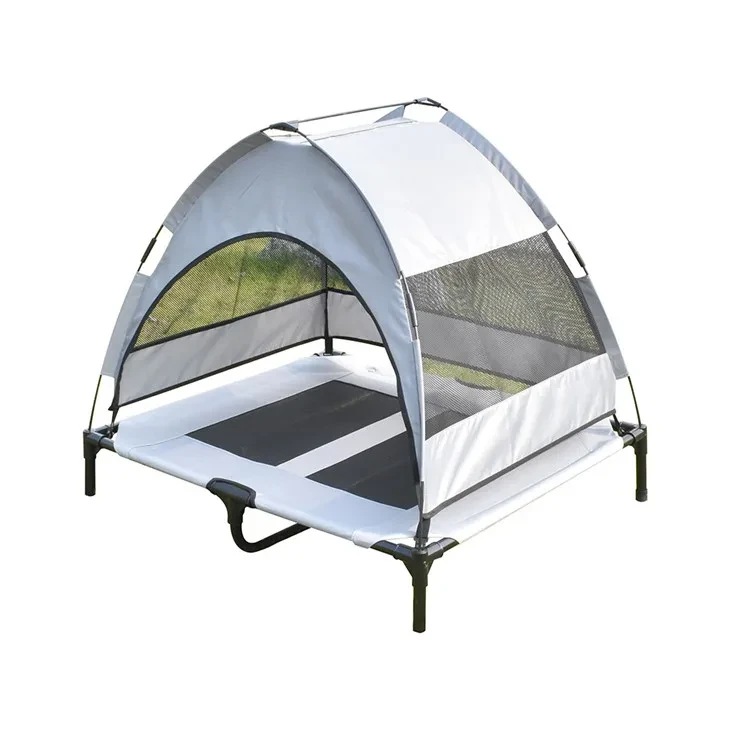
Another aspect of entrance design is the height of the entrance threshold. A low - lying threshold is better as it doesn't require the pet to lift their legs too high. This is especially important for older pets or those with joint problems. Our tents are designed with a minimal threshold height to ensure smooth entry and exit for all pets.
Training Your Pet
Sometimes, even with a well - designed tent, pets may need a little training to get used to entering and exiting. You can start by placing some of your pet's favorite treats or toys inside the tent. This will encourage them to go in and explore. Once they are comfortable going in, you can gradually start rewarding them when they come out as well.
Positive reinforcement is key during this training process. Praise your pet with a gentle voice and give them a small treat when they successfully enter or exit the tent. Over time, they will associate the tent with positive experiences and will be more likely to move in and out on their own.
Location and Placement of the Tent
The location where you place the pet tent can also affect how easily your pet can enter and exit. Make sure the area around the tent is clear of any obstacles. There should be enough space for the pet to approach the entrance without having to squeeze through tight spaces.
If you are using the tent outdoors, place it on a flat and stable surface. Uneven ground can make it difficult for the pet to balance while entering or exiting. Indoors, avoid placing the tent near high - traffic areas where the pet may feel crowded or distracted.
Maintenance and Upkeep
Regular maintenance of the pet tent is essential to ensure that the entrance remains in good working condition. Check the zippers, if any, to make sure they are not stuck or damaged. Clean the entrance area regularly to remove any dirt or debris that could block the way.
If the tent has a flap or a door, make sure it opens and closes smoothly. Lubricate the zippers with a small amount of wax or zipper lubricant if they start to become stiff. This will ensure that the entrance remains functional and easy for the pet to use.
Compatibility with Pet's Behavior
Understanding your pet's behavior is also crucial. Some pets are more cautious and may take longer to get used to a new tent. In such cases, you may need to be more patient with the training process. Other pets may be more adventurous and may try to enter the tent from unusual angles. Make sure the tent is sturdy enough to withstand these attempts.
For example, if your pet is a digger, you may need to secure the tent firmly to the ground to prevent them from digging under the entrance. If they are a jumper, ensure that the entrance is tall enough to accommodate their jumping behavior without hitting their head.
In conclusion, making sure your pet can enter and exit the pet tent easily involves a combination of choosing the right tent, proper design, training, and maintenance. As a pet tent supplier, we are committed to providing high - quality tents that meet the needs of both pets and their owners. If you are interested in purchasing our pet tents or have any questions about our products, we invite you to contact us for a procurement discussion. We look forward to working with you to provide the best pet tent solutions for your beloved furry friends.
References
- American Kennel Club. (2023). Pet Care and Training.
- PetMD. (2023). Pet Behavior and Well - being.